Longhorn vs. Laramie: Gap and When It Pays Off
We break down the concrete differences between the Ram 3500 Laramie and the Laramie Longhorn, focusing on price, capability, and resale. Most trim guides hide the hidden costs and optional packages that actually sway the total bill.
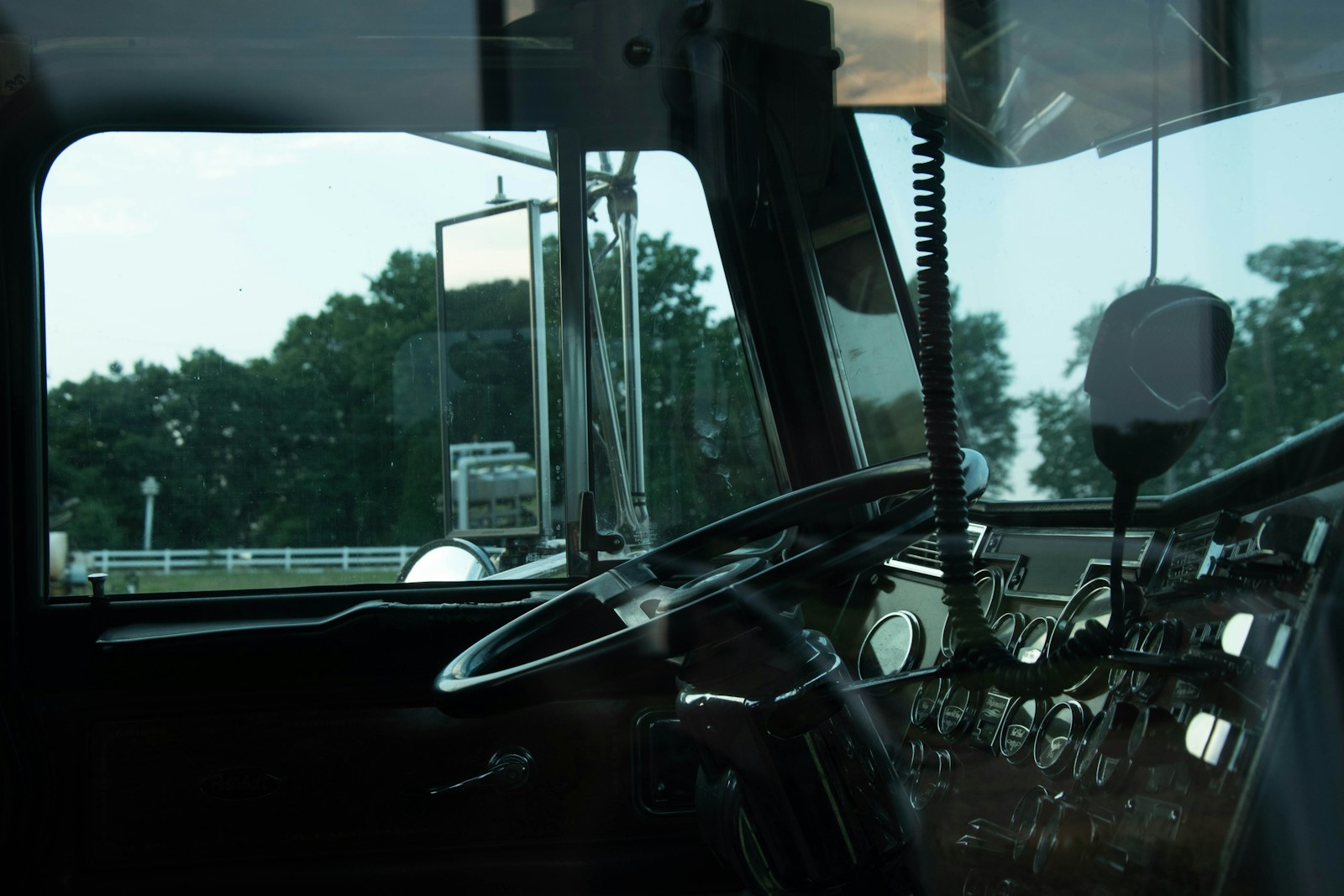
Paying for a heavy‑duty Ram 3500 isn’t just about the sticker price; it’s about the cascade of options that can turn a modest budget into a surprise invoice. The Laramie nameplate promises a certain level of refinement, while the Longhorn badge adds a layer of “premium‑ranch” flair that many buyers assume is purely cosmetic. In reality, the decision between them decides whether you’ll spend an extra $1,200‑$2,500 and whether those dollars translate into useful capability or just badge‑ware.
Dealers love to parade the Longhorn as a “next‑level” trim, yet the official brochure lists only a handful of unique items—an upgraded leather‑stitched steering wheel, a 20‑inch off‑road wheel, and a few interior color schemes. Those bullet points mask the fact that every additional feature sits on top of a base Laramie price that already includes the 6.7‑liter Cummins, a 6‑speed automatic, and a full set of safety tech. Ignoring the baseline cost means you’ll never know if the Longhorn surcharge is a bargain or a budget leak.
If you strip away the marketing fluff, the raw price gap between a properly equipped Laramie and a similarly equipped Longhorn typically lands somewhere between $1,200 and $2,500, depending on regional incentives and dealer mark‑ups. That range covers the cost of the upgraded wheel package, the premium leather interior, and the optional off‑road suspension kit that the Longhorn badge bundles by default. The same money could instead buy a larger fuel tank, a higher‑capacity trailer hitch, or an aftermarket bed liner—choices that directly affect payload and durability.
Does the Longhorn Really Add More Power or Just More Price?
Longhorn’s most advertised mechanical perk is a tuned version of the 6.7‑liter Cummins that claims a few extra foot‑pounds of torque over the standard Laramie engine. In practice, the factory‑installed torque increase hovers around 10–15 lb‑ft, a figure you’ll barely notice when hauling a full trailer on level ground. The real mechanical distinction lies in the off‑road suspension that comes standard on the Longhorn, featuring a higher‑travel shock absorber and a reinforced front axle.
Torque gains of that magnitude rarely shift towing capacity, because the Laramie already hits the maximum Gross Combined Weight Rating allowed for the chassis. The suspension upgrade, however, does raise the ride height by roughly one inch and adds about 150 lb of unsprung weight, which can shave a few tenths of a mile per gallon on highway runs. For owners who spend most of their time on the pavement, the power bump is a marginal nicety rather than a functional necessity.
What Do the Interior Upgrades Actually Cost?
Laramie already ships with leather‑trimmed seats, dual‑zone climate control, and a 12‑inch touchscreen infotainment system. The Longhorn adds quilted leather upholstery, heated and ventilated rear seats, and a wood‑grain dashboard that the brand markets as “premium cabin styling.” Those upgrades collectively sit in the $800‑$1,300 range when you break down the manufacturer’s cost allocations.
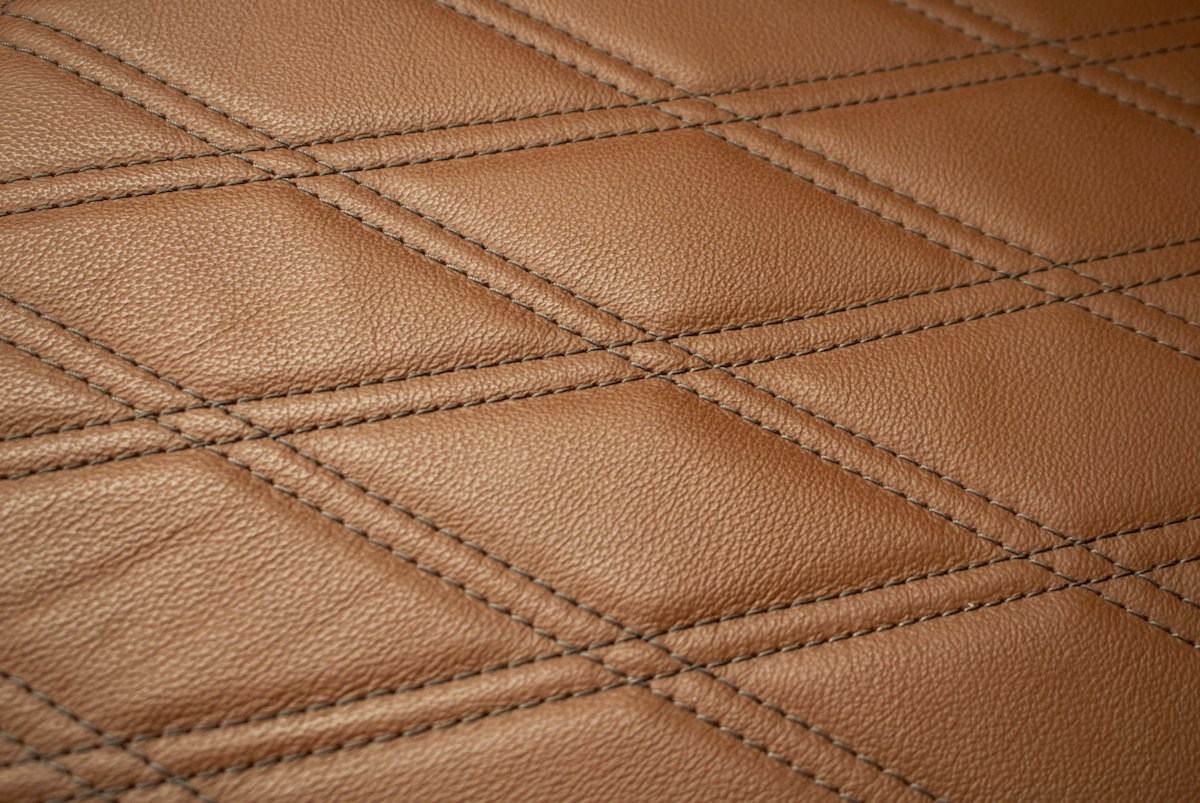
Seat‑belt pretensioners and additional ambient lighting are also part of the Longhorn package, but they contribute less than $200 to the total price. If you prefer a quieter cabin, the Longhorn’s upgraded acoustic glass adds another $300‑$500, a cost that can be sourced from the aftermarket for a similar price without the badge premium. In short, the interior enhancements are a collection of comfort items that do not affect towing performance or durability.
Are the Off‑Road Packages Worth the Extra Weight?
Off‑road packages on the Longhorn include a lift kit, larger all‑terrain tires, and skid plates that protect the oil pan and transfer case. The lift raises the chassis by about 2 inches, which improves approach angles but also adds roughly 200‑250 lb of weight. That weight penalty translates into a modest decrease in payload capacity—about 100 lb less than a stock Laramie.
Suspension upgrades also alter the truck’s spring rates, making the ride stiffer when cruising on smooth roads. Drivers who use their 3500 primarily for construction site work or rock‑crawling find the trade‑off acceptable, but anyone whose daily routine involves city traffic may feel the harsher ride for little tangible benefit. The cost of the off‑road package itself sits between $1,200 and $1,800, a figure that dwarfs the $400‑$600 you could spend on a set of high‑quality all‑season tires.
How Does Warranty and Resale Shift Between Trims?
Warranty coverage for both trims includes the same 5‑year/60,000‑mile powertrain guarantee, but the Longhorn’s premium interior components are covered under a separate 3‑year/36,000‑mile upholstery warranty. That extra layer of protection can be a selling point for owners who plan to keep the truck beyond the standard powertrain term, yet it rarely influences the overall cost of ownership for a typical 3‑year resale horizon.

Resale values for the Longhorn tend to stay within 2‑4 percent of the Laramie’s depreciation curve, according to auction data across the United States. The modest premium you pay up front mostly disappears once the truck reaches the secondary market, unless you’ve kept the off‑road package in pristine condition. Buyers looking for a “premium” badge often overlook the fact that a well‑maintained Laramie without the extra trim can fetch a comparable price.
Practical Steps: Configuring a 3500 Without Bleeding Your Wallet
Configuring a 3500 starts with a clear list of must‑haves: engine, cab size, and bed length. From there, isolate the features that directly affect your use case—towing capacity, payload, and daily drivability. Avoid the temptation to add every visual upgrade the Longhorn offers; instead, prioritize functional items like a higher‑capacity hitch or a reinforced frame cross‑member.
Budgeting for a build should begin with the base Laramie MSRP, then add the exact cost of each chosen option. For example, a 6.7‑liter Cummins with a 6‑speed automatic runs roughly $7,000‑$8,500 in base equipment. Adding the Longhorn’s leather upgrade may cost $900‑$1,200, while the off‑road suspension can be $1,300‑$1,800. If you skip the Longhorn badge and instead select the optional 5‑year trailer sway control, you’ll spend about $400‑$600 and gain a tangible safety benefit.
What to Double‑Check Before You Sign Anything
Double‑check that the invoice reflects every option you approved, especially any dealer‑installed accessories that may not appear on the online configurator. Verify that the advertised price includes all applicable taxes, destination fees, and any regional incentives; these line items can add several hundred dollars to the final total. Confirm the warranty paperwork lists the correct mileage limits for both powertrain and interior components, because a misprint can void coverage on premium features later. Finally, ask for a copy of the dealer’s hold‑back and any promotional rebates, ensuring you’re not paying for a discount that was already factored into the sticker price.
Keep reading
Longhorn adds + but wins comfort – real‑world test
You’ll see which Ram 1500 trim actually delivers the ride quality you expect. Most guides compare specs on paper and miss the lived‑in differences.