The Surprise When Buying a CPO 2023 F‑250
This guide exposes the fees that creep into a certified‑pre‑owned 2023 F‑250 deal and shows why most articles miss them. Knowing the full picture prevents a budget shock at signing.
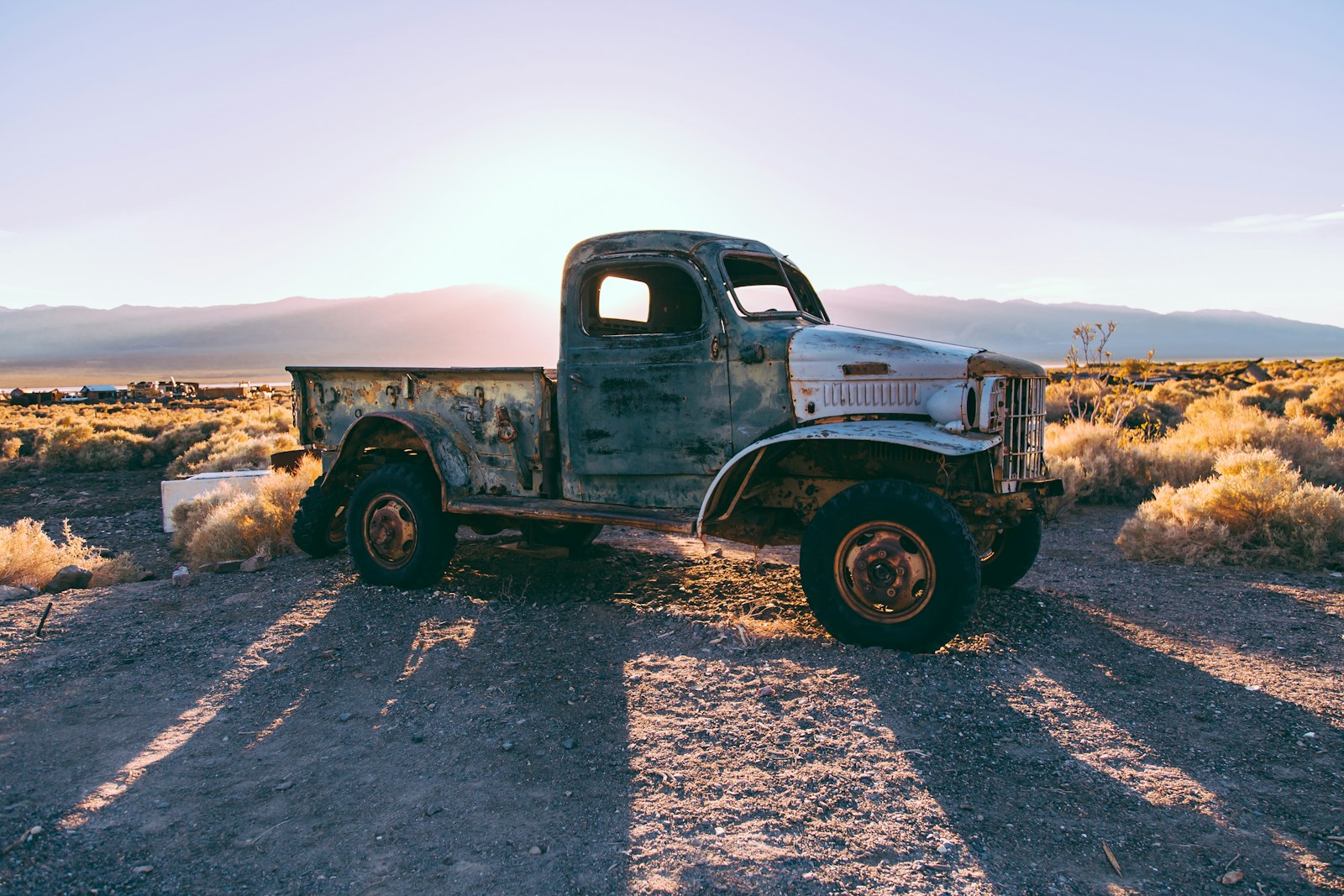
The moment the lot manager hands you the CPO sticker, the price tag looks like a bargain compared with a brand‑new Super Duty. Yet the moment you start adding the fine print, that “certified” label can hide a stack of fees that turn a $45 k purchase into a $47‑plus‑k reality.
What does the “Certified” label actually include?
The factory‑backed inspection usually covers major power‑train components, but it stops short of cosmetic flaws that a buyer can still see from the driver’s seat. Anything that fails the 172‑point checklist gets repaired at dealer expense, yet items like minor paint chips or worn interior trim are marked as “buyer‑responsibility.” Those little things often require a touch‑up that runs $200‑$600 before the truck leaves the lot.
A CPO warranty typically mirrors the original bumper‑to‑bumper coverage for the first 12 months or 12,000 miles, whichever comes first. Once you exceed that mileage, the warranty reverts to a power‑train only plan, leaving the suspension and electronic aids uncovered. That shift is easy to overlook because the paperwork lumps the two together under a single “certified” banner.
Dealer reconditioning fees can add $1k—here’s why
Dealerships bill a “dealer prep” or “reconditioning” charge that bundles everything from a full‑interior vacuum to a pressure‑wash of the exterior. The number on the invoice may read $999, but the actual work often includes minor dent repair, rust‑proofing spray, and a fresh coat of under‑sealant—tasks that a DIY enthusiast could accomplish for a fraction of the cost.

Because the fee is listed as “non‑negotiable” in many sales scripts, buyers assume it’s mandatory. In reality, a savvy shopper can request a line‑item breakdown and push back on any service they consider unnecessary. A reduction of even $300 can make the difference between a comfortable monthly payment and one that strains the budget.
Mileage‑related wear shows up where the warranty doesn’t
A certified 2023 F‑250 may arrive with 30,000‑plus miles, which is still low for a heavy‑duty truck but enough to trigger the first scheduled service interval. The owner’s manual recommends a transmission fluid change at 30,000 miles, a filter swap at 60,000, and a differential service at 80,000. Those early checks are not covered by the CPO power‑train guarantee, so the buyer inherits the cost.
Dealers often offer to “roll” the first service into the purchase price, but that practice adds $400‑$800 to the out‑the‑door number without any real discount. If you decline the roll‑in, you’ll still need to budget for the fluid change, a new oil filter, and a brake‑pad inspection that can easily climb past $300 when labor rates hit $130 per hour.
Extended power‑train coverage: is it worth the extra cash?
When the standard CPO warranty ends, many buyers consider an extended power‑train plan that promises coverage up to 150,000 miles. Those policies range from $1,200 for a basic drivetrain shield to $3,000 for a comprehensive package that includes cooling‑system components and electronic control modules. The fine print often excludes “wear items” like brake rotors, which can still cost $600‑$1,200 on a Super Duty.
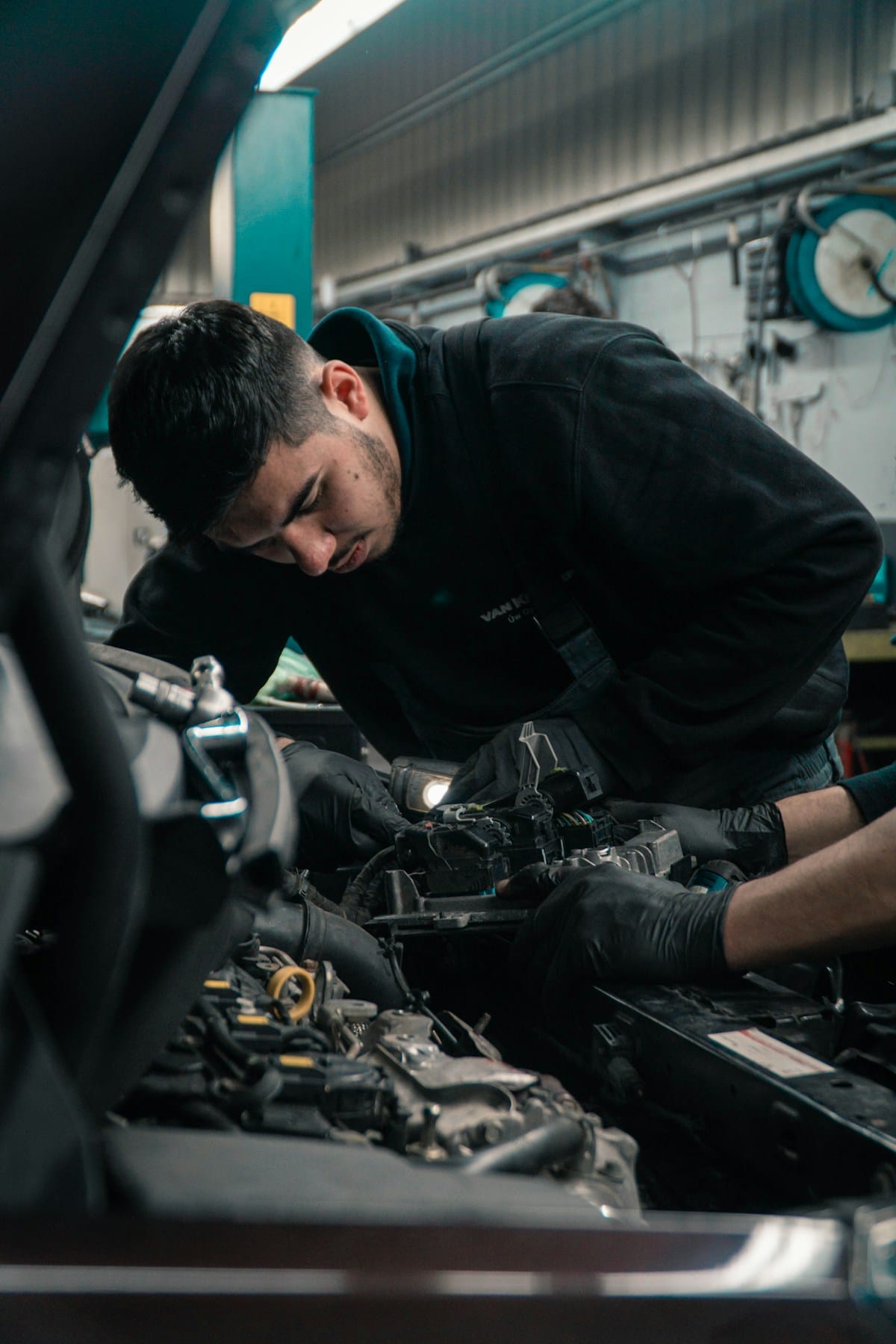
A quick spreadsheet of projected repair bills for a 2023 F‑250 shows that a single transmission overhaul can exceed $5,000, while a common coolant‑pump failure sits around $1,800. If you plan to keep the truck past the 100,000‑mile mark, the extended plan may pay off; otherwise, it becomes an unnecessary expense that inflates the total purchase price.
Action plan: budget the hidden line items
First, allocate $500‑$1,000 for dealer‑prep negotiations; request an itemized receipt before signing. Second, set aside $300‑$800 for the imminent 30,000‑mile service, including fluid, filter, and labor. Third, expect state registration and title fees to hover between $150 and $400, depending on the jurisdiction—these are non‑negotiable but often omitted from the dealer’s estimate. Fourth, contact your insurer for a heavy‑duty quote; premiums for a 2023 F‑250 typically land in the $1,200‑$1,800 range annually, especially if you add a trailer‑tongue package. Fifth, if you decide on an extended power‑train plan, compare at least three providers and factor in the $1,200‑$3,000 premium against your projected mileage horizon.
Finally, put a small contingency of $200‑$400 aside for unexpected emissions testing or state‑mandated safety inspections that some regions still require on used heavy‑duty pickups. Adding these buffers to the advertised CPO price gives you a realistic cash‑out figure before any financing terms are applied.
What to double‑check before you hand over a down payment
Verify the VIN on the certification sheet matches the one stamped on the chassis; a mismatch can signal a clerical error that delays title transfer. Scrutinize the warranty booklet for mileage caps and excluded components, then confirm that the dealer has recorded the exact reconditioning charge on the purchase agreement. Lastly, ask for a copy of the most recent service invoice; a clear record of the last oil change, brake service, and tire rotation proves the truck entered the CPO program with a clean maintenance slate. Once those three items line up, you can sign with confidence that the hidden costs have already been accounted for.
Keep reading
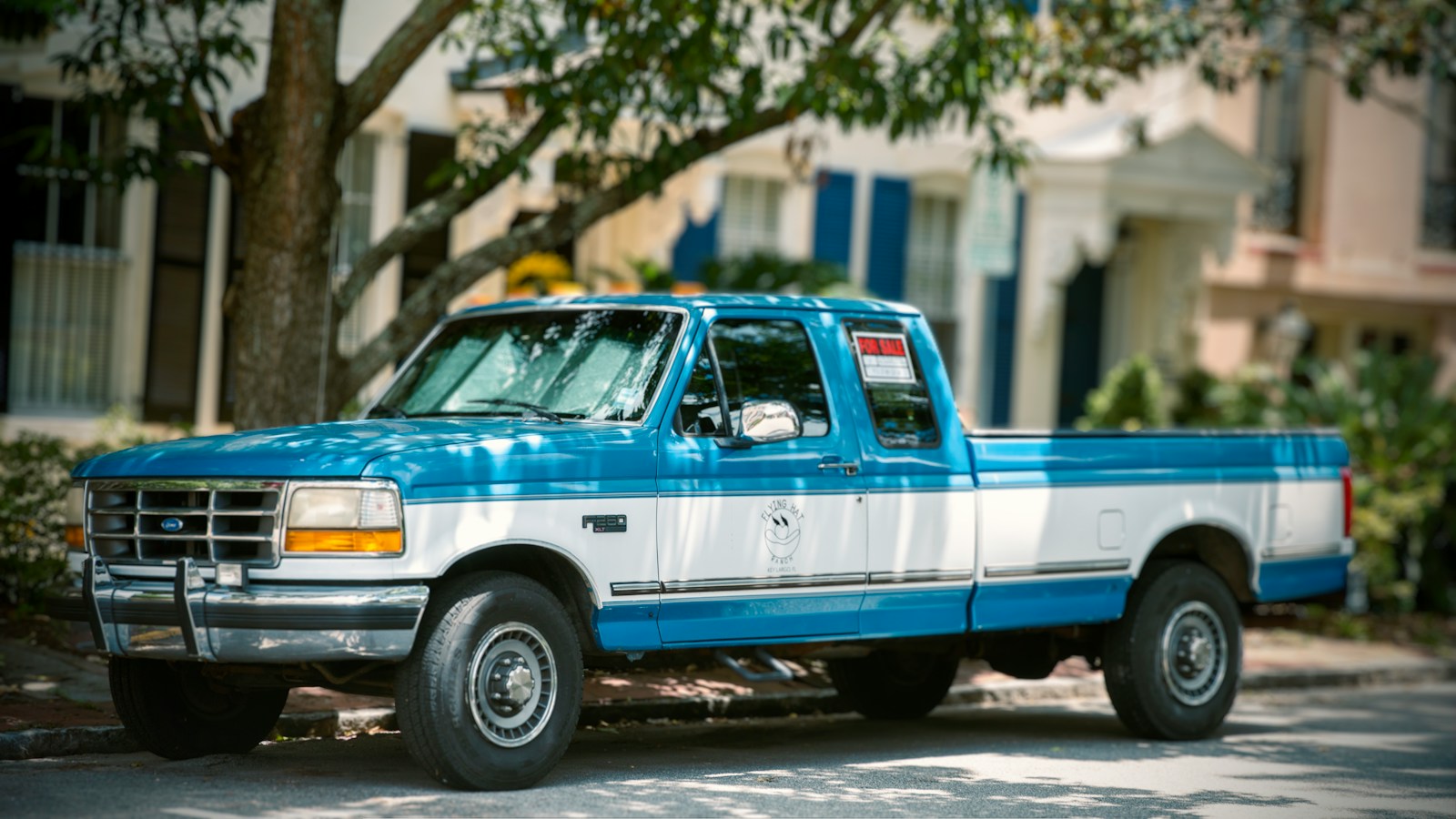
2020 Tundra vs 2022 Navara: Who Keeps More Money After 3 Years?
You’ll see how the Tundra and Navara actually depreciate between 2020 and 2025. Most guides miss mileage spikes, regional demand quirks, and hidden dealer fees.